Was God Ever Exclusive? Tracing the Open Heart of God Through the Old and New Testament
Introduction
One of the most challenging and beautiful questions in Christian theology is this: Was God ever exclusive in His offer of salvation? Many modern Christians wrestle with the idea that God might condemn sincere practitioners of other religions simply because they do not know—or accept—Jesus. But when we look at the Bible as a whole, from Genesis to Revelation, we find something both comforting and profound: the heart of God has always been open to all peoples, all nations, and all who seek Him.
In this first part of our two-part series, we’ll trace this theme from the Old Testament through to the New, showing that the so-called exclusivity of Christianity isn’t about restriction—it’s about revelation. The story of salvation is not about shutting doors, but about the ever-widening invitation to come and know the living God.
1. The God of All Nations: A Misunderstood Old Testament?
It’s often assumed that the Old Testament God was concerned only with Israel. But a closer reading reveals a very different picture.
From the beginning, God identifies Himself not just as Israel’s God, but as the Creator of all:
“The earth is the Lord’s, and everything in it.” — Psalm 24:1
“In the beginning, God created the heavens and the earth.” — Genesis 1:1
This universal scope is echoed throughout the Hebrew Scriptures. God holds all nations morally accountable (see Amos 1–2) and even works through non-Israelites for His purposes:
- Job: A righteous man who lived outside the covenant with Abraham, yet had deep relationship with God.
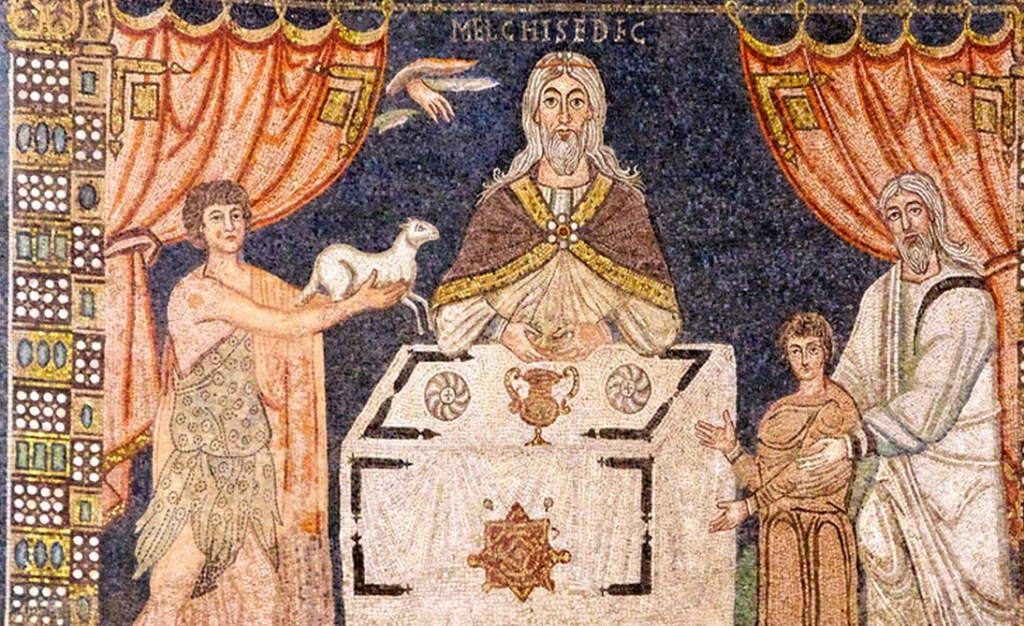
- Melchizedek: A priest of God Most High who blesses Abraham.
- Balaam: A pagan seer who hears God’s voice and delivers His message.
- Jethro: Moses’ Midianite father-in-law, who gives him wise counsel and worships God.
And perhaps most stunning of all: Nineveh. The Assyrian city repents at Jonah’s preaching—and God relents from judgment.
“Should I not have concern for the great city of Nineveh…?” — Jonah 4:11
This is not a tribal deity. This is a God whose heart burns for every nation.
2. The Inclusive Mission of Israel
The calling of Israel was never meant to be an end in itself. From the very start, Abraham was told:
“Through you all the families of the earth shall be blessed.” — Genesis 12:3
Israel was to be a light to the nations (Isaiah 49:6), a priestly people who would mediate God’s presence to the world. Even the laws about foreigners living among them showed God’s concern for the outsider:
“You shall love the stranger, for you were strangers in the land of Egypt.” — Deuteronomy 10:19
This openness isn’t just moral—it’s spiritual. The Old Testament envisions a day when all nations will come to know the Lord:
“My house shall be called a house of prayer for all peoples.” — Isaiah 56:7
The heart of God is always expanding. The covenant is the door, but the destination is everyone.
3. Progressive Revelation: God Reveals Himself in Stages
God doesn’t reveal everything at once. Just as a child learns the heart of their parent slowly, humanity has been shown God in stages:
- In creation, through nature and conscience
- In covenants with Noah, Abraham, and Moses
- In the prophets, who longed for a deeper fulfillment
The Old Testament itself anticipates this fuller revelation:
“The earth will be filled with the knowledge of the Lord as the waters cover the sea.” — Isaiah 11:9
By the time we reach the New Testament, we are not encountering a change in God’s heart—but the unveiling of God’s full plan.
“In the past God spoke through the prophets, but in these last days He has spoken to us by His Son.” — Hebrews 1:1–2
4. Jesus as Fulfillment, Not Restriction
When Jesus says, “I am the way, the truth, and the life” (John 14:6), He is not announcing a narrower path—He is revealing the full picture.
He is not the replacement of what came before, but the fulfillment:
- He is the Lamb foreshadowed in the Exodus.
- He is the suffering servant of Isaiah.
- He is the light to the Gentiles.
Jesus doesn’t arrive to exclude others—He comes to complete what God has always been doing: reconciling the world to Himself.
“God was in Christ, reconciling the world to himself.” — 2 Corinthians 5:19
The exclusivity of Christ is not about God’s favoritism. It’s about clarity. The light is no longer a flicker—it is a blazing sun.
5. The New Testament’s Continued Openness
Even after Jesus’ resurrection, the New Testament continues this theme of inclusivity:
- Cornelius, a Gentile centurion, receives the Holy Spirit before baptism (Acts 10).
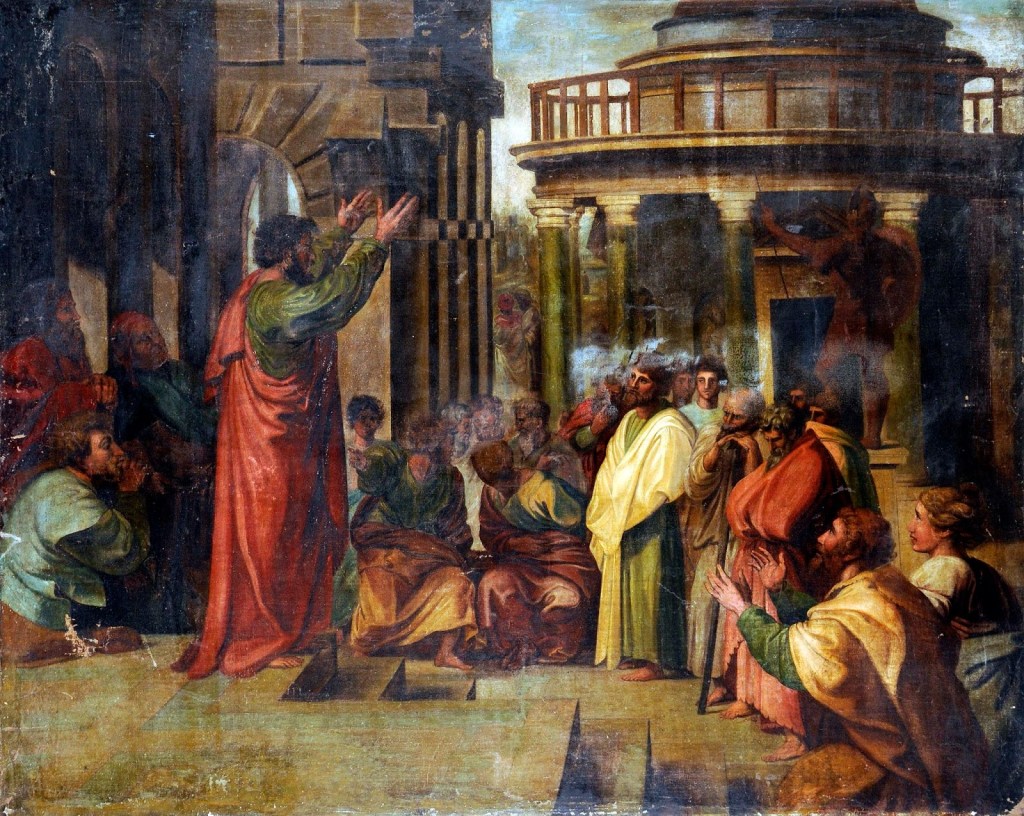
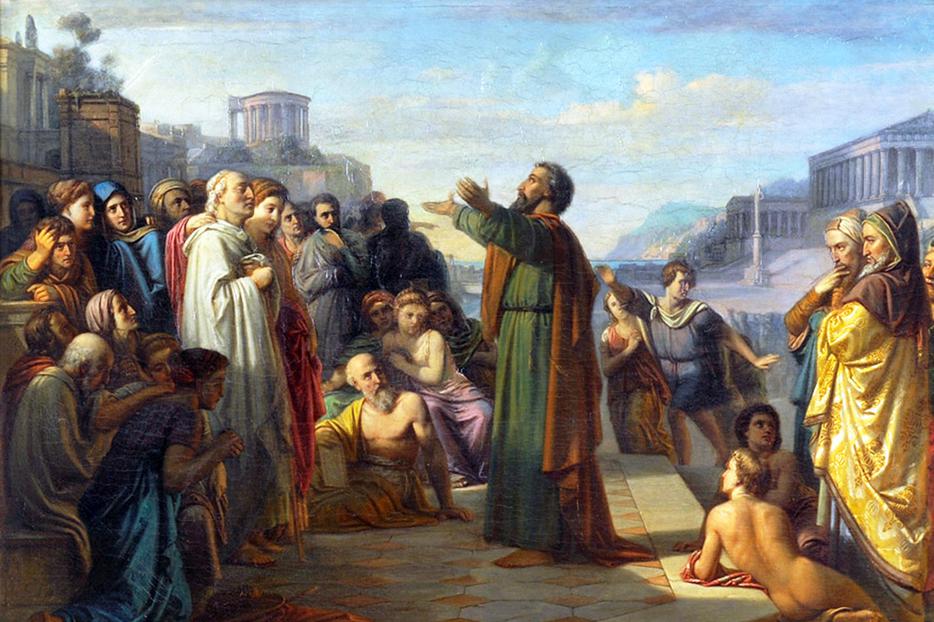
- Paul tells the Athenians: “God is not far from any one of us” (Acts 17).
- Revelation envisions a final gathering of people “from every nation, tribe, people and language” (Revelation 7:9).
The Good News was never meant to be exclusive—it was meant to be announced to all.
“Go and make disciples of all nations.” — Matthew 28:19
Conclusion: A Wide Table, A Narrow Gate
God’s love has never been confined to a single people group. His justice has never been blind to the seeker in distant lands. From Job to Jonah, from Israel to the nations, the Bible tells a consistent story:
God is always reaching out.
Yes, Jesus is the only name under heaven by which we must be saved (Acts 4:12). But we must also remember: God alone sees the heart. He knows who has truly encountered the Son—even if not by name.
The invitation of Jesus is not about exclusion, but embrace. He is the Way, but He walked into our world so that everyone could be invited in.
In Part 2, we’ll explore the controversial and heartfelt question: Is a Christ-like life enough without Christ? What about people today in other religions who live humbly, serve others, and seek God?


 The Good Physician: In Search of the Logos
Leave a comment